
Relocating a family is one of the most complex logistical and emotional challenges a household can face. It is far more than a simple change of address or a new set of coordinates on a map. Moving involves uprooting an entire support system and attempting to transplant it into unfamiliar soil. From finding the right schools to establishing a new legal and social network, the process requires a strategic approach to ensure that every family member feels secure and supported. This guide explores the essential steps for settling into a new community, focusing on the infrastructure that makes a house feel like a home.
Table of Contents
- The Foundation of a Successful Move
- Prioritizing Early Childhood Development
- Navigating the Transition to School
- Evaluating Long-Term Educational Options
- Strengthening Social Ties and Community Roots
- Maintaining Stability Through the First Year
- Fostering Growth in the New Environment
- Preparing for the Next Academic Chapter
- Embracing the Full Spectrum of Education
- Celebrating a New Chapter Together
The Foundation of a Successful Move
The initial phase of any relocation often involves a mountain of paperwork and administrative hurdles. For families moving across state lines or international borders, the legal landscape can shift significantly. It is common for parents to overlook the necessity of updating their legal documents during the chaos of packing boxes. However, establishing a relationship with a local professional is vital. Many families find that consulting a family law lawyer early in the transition helps clarify local regulations regarding residency, custody agreements, or guardianship papers. Having these affairs in order provides a sense of security, allowing the family to focus on the more social aspects of their new life.
Once the legal and administrative groundwork is laid, the focus often shifts to the youngest members of the family. The transition is usually hardest on children who thrive on routine and familiarity. Parents must act quickly to establish a new daily rhythm. For those with very young children, the search for childcare is often the top priority. Researching local infant daycares should begin well before the moving truck arrives. These facilities are the first line of support for working parents, providing a safe environment where infants can begin to interact with their new surroundings. A high-quality facility does more than just watch the clock; it provides the first building blocks of socialization in a new city.
Prioritizing Early Childhood Development
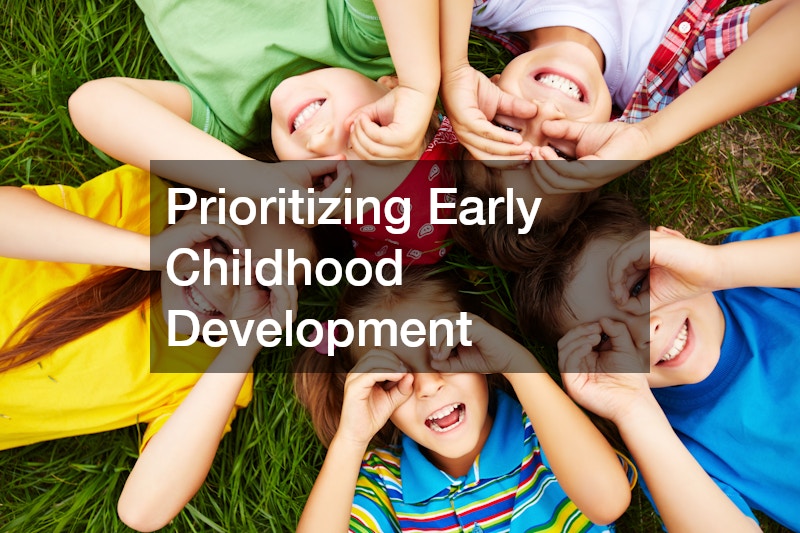
As the family begins to find its footing, the educational needs of toddlers and young children take center stage. Moving can disrupt a child’s learning trajectory, so finding a placement that offers both stability and stimulation is key. Many parents look for an early learning center that emphasizes a balance between play and structured discovery. These centers serve as a hub for local families, making them an excellent place for parents to meet peers who are also navigating the challenges of raising young children. The atmosphere in these environments is designed to foster a sense of belonging, which is crucial for a child who has recently left their old friends behind.
Engagement outside of formal hours is equally important for a smooth transition. To help children burn off energy and make new friends, parents should investigate various activities for toddlers available in the local area. Whether it is a weekend music class, a local library story time, or a gymnastics program, these small interactions help a child start to recognize familiar faces. For a toddler, seeing the same peer at the park or in a Saturday morning class can make a new neighborhood feel much smaller and more welcoming. These shared experiences are the primary way that social bonds are formed in the early years of life.
Navigating the Transition to School
As children grow, their educational choices become more specialized. The transition into a more formal academic setting is a milestone that requires careful thought, especially when the family is still adjusting to a new region. Many families begin their search by looking at a pre-k program that aligns with their child’s personality and learning style. This bridge between early childhood play and the more rigorous demands of elementary school is a vital part of the developmental process. A good program will focus on social-emotional readiness, ensuring that the child feels confident and capable as they step into a larger classroom environment for the first time.
Choosing a general preschool can also be a daunting task when a parent is unfamiliar with the local school districts. It is often helpful to talk to neighbors or join local online forums to get the inside scoop on which schools have the best reputations. The right school will offer more than just a curriculum; it will offer a community. For a child who has recently moved, the classroom becomes their primary social circle. Teachers who are experienced in welcoming new students can make a significant difference in how quickly a child settles in and begins to enjoy their new daily routine.
Evaluating Long-Term Educational Options
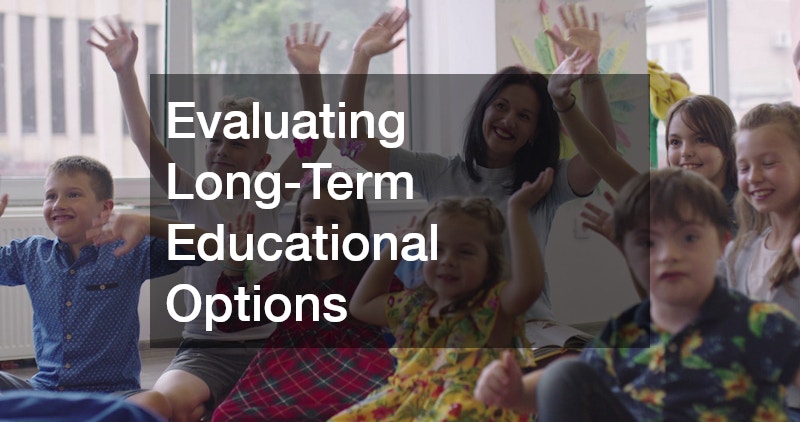
For many families, relocation is an opportunity to re-evaluate their long-term educational goals. Moving to a new area often brings a different set of choices, including public, charter, and independent institutions. When looking at higher-level education, many parents weigh the advantages of private school to see if a more tailored approach might benefit their child during this period of change. These institutions often boast smaller class sizes and more individualized attention, which can be incredibly helpful for a student trying to catch up or integrate into a new peer group. The specialized resources found in these settings often ease the academic transition that comes with a new curriculum.
In many cases, the path toward an independent education starts early. Parents who are looking for a specific pedagogical approach, such as Montessori or Waldorf, may seek out a private preschool to set a strong foundation. These schools often provide a very close-knit community of parents and educators, which can be an invaluable resource for a family that is new to the area. The high level of parental involvement usually found in these schools allows newcomers to quickly build a network of friends and acquaintances who share similar values and priorities regarding their children’s upbringing.
Strengthening Social Ties and Community Roots
A successful relocation is not just about where the children go to school; it is about how the entire family engages with the community. For older children and teenagers, finding a place to belong can be particularly challenging. This is where local youth groups play a vital role. Whether these groups are focused on sports, community service, or shared hobbies, they provide a structured environment where adolescents can meet peers outside of the school setting. These organizations help teens build a sense of identity and purpose in their new city, reducing the feelings of isolation that often accompany a move during the middle or high school years.
Building community also involves celebrating the small wins and milestones that happen along the way. Planning a child’s first birthday party or a neighborhood “housewarming” gathering can be a great way to solidify new friendships. To make these events memorable and less stressful for the parents, hiring professional event entertainment is a popular choice. Whether it is a local magician, a face painter, or a mobile petting zoo, these services provide a focal point for the gathering and take the pressure off the hosts. It is through these celebrations that neighbors transition from being “the people next door” to being genuine friends and supporters.
Maintaining Stability Through the First Year
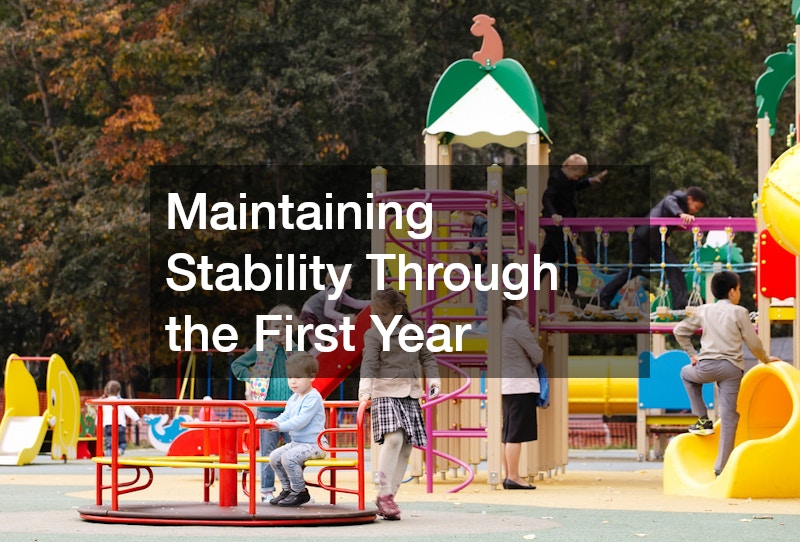
The first twelve months in a new location are often referred to as the “adjustment year.” During this time, it is common for the initial excitement to wear off and for the reality of the change to set in. To maintain stability, parents should ensure they are consistent with their professional and personal support systems. For example, if a family has ongoing legal needs or needs to finalize a will in their new state, returning to their family law lawyer for a follow-up can ensure that nothing has slipped through the cracks. Consistency in professional relationships provides a safety net that allows the family to take more risks in their social lives.
Finding reliable childcare continues to be a theme throughout the first year as schedules change and parents return to work or take on new roles. Re-evaluating the choice of local infant daycares or after-school programs is a natural part of the process. Sometimes a facility that worked for the first few months may no longer fit the family’s evolving needs. It is okay to make changes as the family’s understanding of the local landscape grows. The goal is always to find an environment where the child feels happy, and the parents feel confident that their child is receiving the best possible care.
Fostering Growth in the New Environment
As the family moves past the initial hurdles, the focus shifts from “surviving” the move to “thriving” in the new community. This often involves looking deeper into the educational resources available. Many parents find that enrolling their child in an early learning center that offers enrichment programs like second language immersion or STEM-focused play can spark new interests. These centers often serve as a catalyst for a child’s curiosity, helping them to view their new environment as a place of endless possibility rather than a place of loss. When a child is excited about what they are learning, they are much more likely to embrace their new life with enthusiasm.
Keeping the schedule filled with meaningful interactions remains a priority. Continuing to seek out diverse activities for toddlers keeps the momentum going. As the seasons change, new opportunities like local swim lessons in the summer or indoor soccer in the winter allow the family to experience different facets of their new town. Each new activity is a chance to discover a hidden gem, whether it is a great local park, a family-friendly cafe, or a community center that becomes a second home. These small discoveries are what ultimately weave the family into the fabric of the neighborhood.
Preparing for the Next Academic Chapter
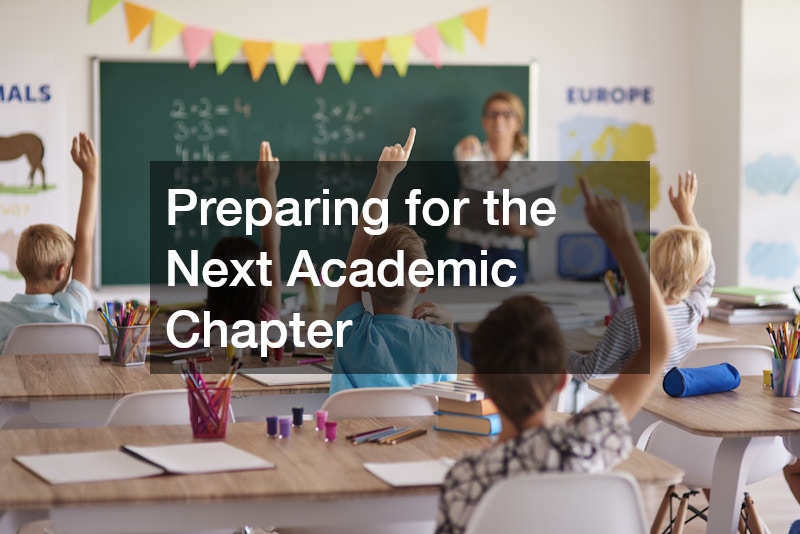
As the first year concludes, many parents find themselves looking toward the future with more clarity. If the child is nearing school age, the decision between staying in a current program or moving into a more formal pre-k class becomes more pressing. Having spent several months in the community, parents now have the advantage of local knowledge. They can visit schools, talk to current parents, and observe classrooms with a more discerning eye. This period of reflection is essential for ensuring that the child’s academic journey continues on a positive trajectory.
The search for a permanent preschool home is often the final piece of the relocation puzzle for families with young children. By this point, the child has usually made a few friends and is familiar with the local area, making the transition to a new school much easier than it would have been on day one. A school that mirrors the family’s values and provides a supportive atmosphere will serve as the cornerstone of the child’s social life for years to come. It is the place where they will learn the skills they need to succeed in kindergarten and beyond.
Embracing the Full Spectrum of Education
For families who have decided that an independent path is the best fit, a deeper exploration of the advantages of private school may lead them to reconsider their long-term plans. They might look at how these schools integrate technology, arts, and physical education into a cohesive curriculum. The sense of community often found in these settings can be a powerful antidote to the transience of modern life. When a school feels like a family, the challenges of moving to a new city seem much less daunting. The investment in a high-quality education pays dividends in the form of a confident, well-adjusted child.
If the family is still in the early stages of this journey, finding a private preschool that feeds into a larger K-12 system can provide a clear path forward. This long-term vision helps to reduce the stress of future transitions, as the child can remain with the same peer group for a significant portion of their education. Stability is the greatest gift a parent can give a child after a move, and a consistent educational environment is one of the best ways to provide it. This continuity allows the child to focus on learning and growing rather than constantly having to adapt to new rules and new faces.
Celebrating a New Chapter Together
As the family settles in, it is important to acknowledge the effort it took to get there. For the older children, staying involved in youth groups remains a vital way to maintain their social health. These groups provide a safe space to navigate the ups and downs of adolescence with peers who are often going through similar experiences. Whether it is a local scouting troop, a church group, or a community theater program, these outlets are essential for a teenager’s emotional well-being. They provide a sense of belonging that is independent of their school identity.
Finally, the family should take the time to celebrate their successful relocation. Hosting a neighborhood party with top-tier event entertainment can be the perfect way to say “we are here to stay.” It is a chance to thank the neighbors who helped with the move, the teachers who welcomed the children, and the new friends who made the transition easier. A move is a significant life event, and successfully navigating it is a major achievement. By focusing on the right legal, educational, and social support systems, any family can turn a new city into a beloved home. The journey might be long, but the destination is well worth the effort. Through careful planning and a commitment to community, the ultimate relocation guide becomes a story of growth, resilience, and new beginnings.